
Lima: Stages of a Cultural Capital
A guide to discovering cultural spaces, architecture, gastronomy, and urban routes during OLA’s 19th Annual Conference.
“Filled with rain / And a handful of sand / In the handkerchief. / Sometimes I remember / The light of its cloudy sky / And I caress it / As one caresses a pearl / In one’s pocket,” wrote the Lima-born poet Jorge Eduardo Eielson (1924–2006) about the city where he was born. One of the many — and varied — poetic visions of the Peruvian capital, Eielson’s perspective joins that of poets such as Antonio Cisneros and César Vallejo, who portrayed it as a city shaped by memory, migration, everyday moments, and the surrounding nature.
Founded on January 18, 1535, Lima is a city of historical layers, like many Latin American capitals. Located in the valley of the Rímac River and facing the Pacific Ocean, it holds traces of the pre-Hispanic world, the Viceroyalty of Peru — christened the “City of Kings” — and the modern processes that shaped its urban and cultural expansion.
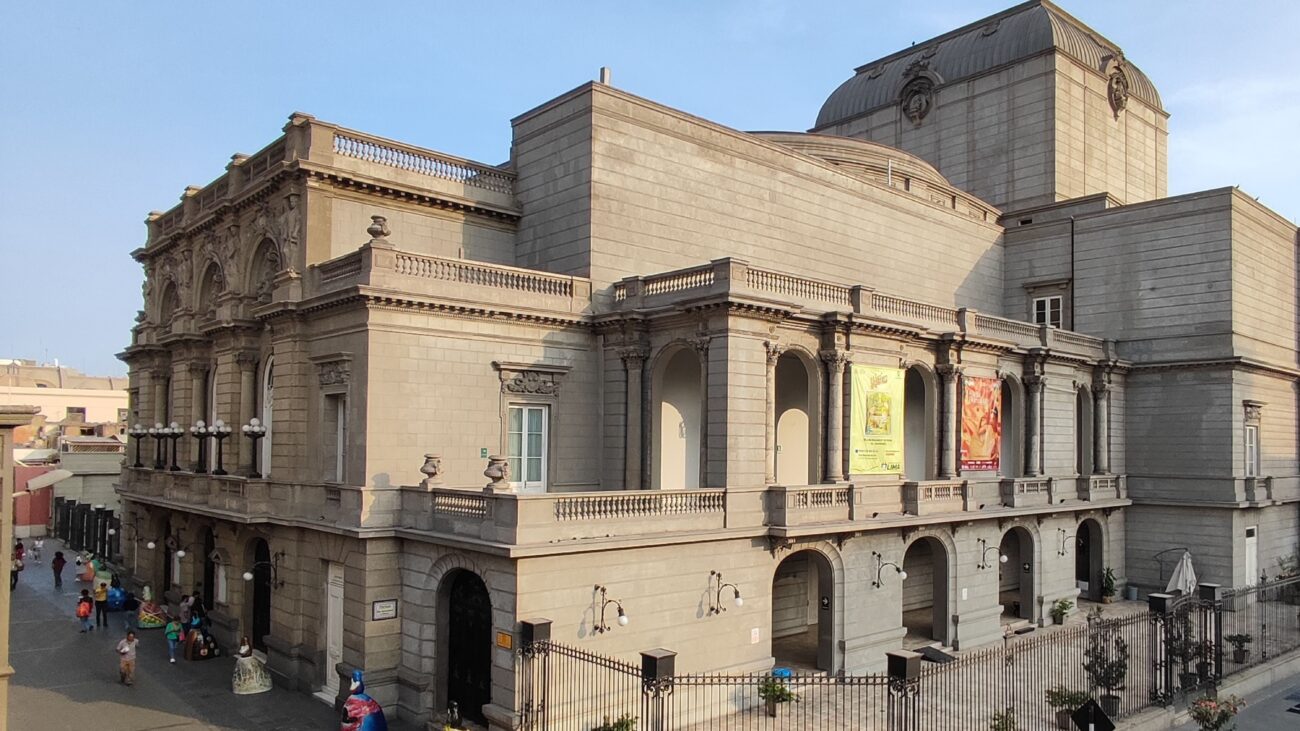
Del 16 al 19 de junio, la 19a Conferencia Anual de OLA será celebrada en Lima y tendrá como anfitrión al Teatro Municipal de Lima, inaugurado en 1925. El teatro es una de las expresiones del legado cultural y arquitectónico de la ciudad, poblada de balcones, terrazas, parques, malecones y barrios.
This guide brings together some of Lima’s main cultural, heritage, and gastronomic spaces, with recommendations for exploring the city beyond the conference activities.
Starting Points
The true essence of Lima lies in its ability to embrace diversity. It is the meeting point where the traditions of the Andes, the Amazon, and the Coast converge, enriched by waves of European, African, and Asian migration.
This diversity has shaped an especially active cultural scene, visible in its festivities, museums, theaters, and public spaces, where historical traditions coexist with contemporary practices.
THEATERS
Teatro Municipal de Lima
Jirón Ica 377, Cercado de Lima.
Located in the historic center of the city, the Municipal Theater of Lima is one of the country’s leading performing arts venues. Opened in 1920 and restored after the 1998 fire, it combines classical architecture with contemporary technical infrastructure for opera, ballet, concerts, and theater.
During OLA’s 19th Annual Conference, the Municipal Theater will serve as host venue and will house the event’s main activities.
Must-sees: its Italian-style auditorium, the foyer, and the programming of the National Symphony Orchestra of Peru.
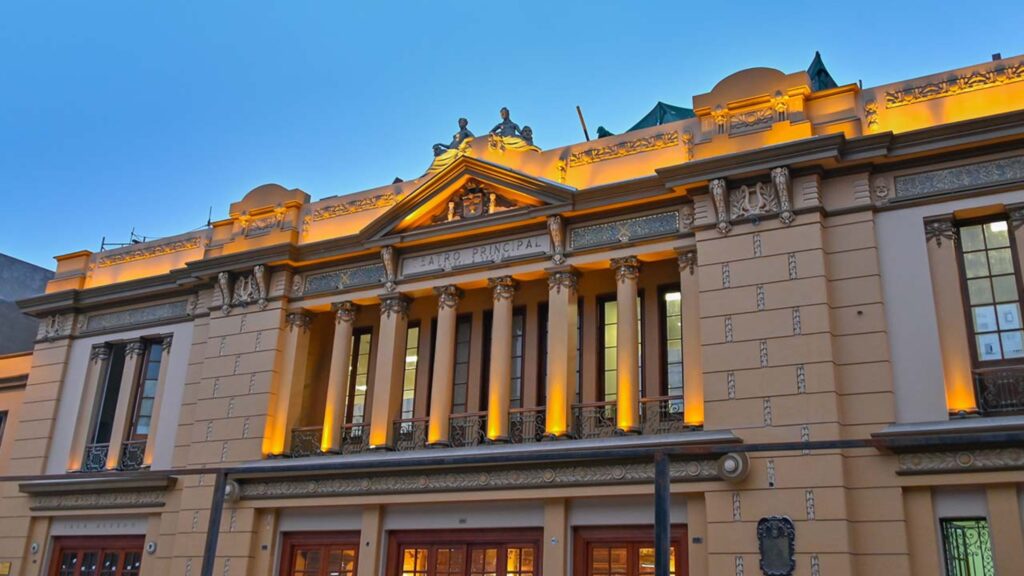
Teatro Manuel Ascencio Segura
Jirón Huancavelica 265, Cercado de Lima.
Considered one of Lima’s oldest theaters, the Segura Theater occupies a central place in Peruvian republican and theatrical history. Its programming combines music, theater, and dance in a heritage space that preserves the scenic tradition of Lima’s historic center.
At this 19th Annual Conference of OLA, the Segura Theater will be one of the venues for talks, panels, and activities complementary to the agenda.
Must-sees: its 19th-century architecture, proximity to Plaza San Martín, and historical value within the Peruvian theater scene.
Gran Teatro Nacional del Perú
Av. Javier Prado Este 2225, San Borja.
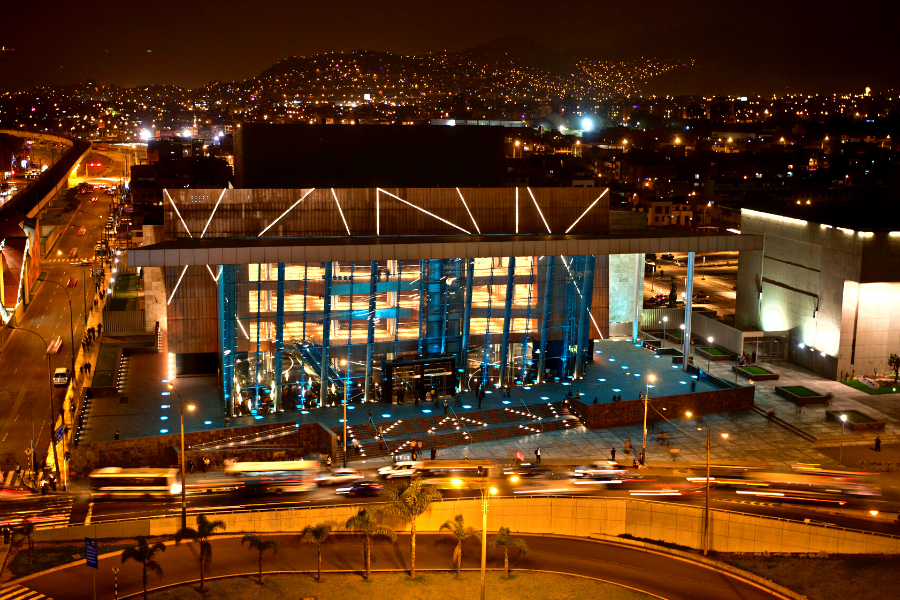
Peru’s main contemporary performing arts infrastructure, the Grand National Theater combines acoustic and stage technology of international standards. It is home to the national ensembles of the Ministry of Culture and one of Lima’s most active cultural hubs, featuring opera, symphonic music, dance, and international performances.
Must-sees: its acoustics, contemporary architectural design, and performances by the Peruvian national ensembles.
MUSEUMS
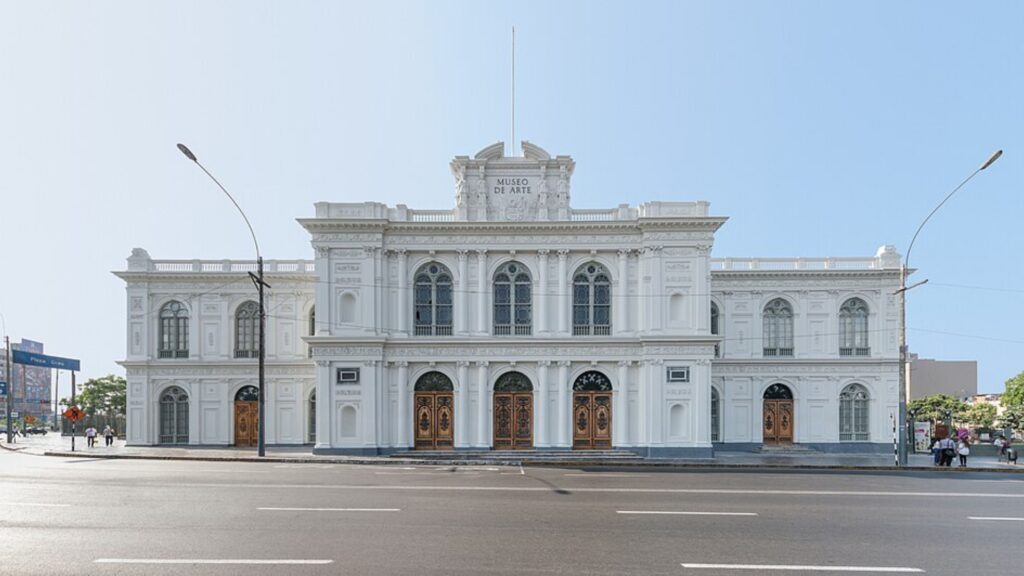
Museo de Arte de Lima (MALI)
Paseo Colón 125, Parque de la Exposición, Lima 15046.
Located in the historic Palace of the Exhibition, MALI offers a cross-sectional reading of Peruvian artistic history from the pre-Columbian period to contemporary art. Its collection stands out for its ability to connect different eras and visual languages in a continuous narrative about the country’s cultural identity.
Must-sees: The Funerals of Atahualpa by Luis Montero, the Peruvian folk art collection, and the galleries dedicated to modern art.
Museo Larco
Av. Simón Bolívar 1515, Pueblo Libre. Ingreso por Calle Navarra 169.
Housed in a viceregal mansion surrounded by gardens, the Larco Museum offers one of the most elegant and comprehensive journeys through pre-Columbian Peru. It also features a renowned restaurant specializing in contemporary Peruvian cuisine and celebrated for its pisco sour.
Must-sees: the pre-Hispanic gold and silver collection and the erotic ceramics gallery, which addresses sexuality in Andean cultures from a ritual and symbolic perspective.
Museo Nacional de Arqueología, Antropología e Historia del Perú
Plaza Bolívar, Pueblo Libre 15084.
Considered Peru’s oldest museum, it presents a broad and deeply historical perspective on the civilizations that have shaped Peruvian territory. Its value lies in the breadth of its collection and the possibility of traveling from pre-Hispanic pieces to key moments of republican independence.
Must-sees: pre-Columbian textiles and ceramics, the historic Quinta de los Libertadores, and galleries dedicated to cultures such as Chavín, Paracas, and Nazca.
Museo Oro del Perú y Armas del Mundo
Jr. Alonso de Molina 1100, Santiago de Surco 15023.
This museum combines a remarkable collection of pre-Columbian gold with armor and historical weapons from different continents. The experience blends ceremonial luxury, military history, and decorative arts in a single journey.
Must-sees: funerary masks and ornaments from pre-Hispanic cultures, along with European armor and historical weapons from different continents.
Museo de Sitio Huaca Pucllana
Ca. Gral. Borgoño cdra. 8, Miraflores 15074.
In the heart of Miraflores, Huaca Pucllana offers one of Lima’s most fascinating contrasts: an adobe ceremonial pyramid surrounded by the contemporary city. The site also includes a renowned restaurant; among its highlights are ceviche, duck rice, and pisco-based cocktails.
Must-sees: nighttime visits, active excavation areas, and the panoramic view of the ceremonial pyramid from the restaurant.
Museo Pedro de Osma
Av. Pedro de Osma 421, Barranco 15063.
The Pedro de Osma Museum houses one of the country’s most carefully curated collections of viceregal art. Its exhibition stands out for showcasing the visual blending of European tradition and Andean imagery through intimate and elegant museography.
Must-sees: the Cusco arquebusier angels, the colonial silverware collection, and the residence’s stained glass windows and gardens.
Museo de Arte Contemporáneo de Lima (MAC)
Av. Almirante Miguel Grau 1511, Barranco 15063.
MAC Lima is Peru’s main space dedicated exclusively to contemporary art. Its curatorial approach focuses on experimental works and discourses linked to city, memory, and Latin American identity, in an open and minimalist architectural setting.
Must-sees: temporary exhibitions by contemporary Peruvian and Latin American artists, large-scale installations, and the walk through its gardens and reflecting pools.
Museo del Ejército Fortaleza Real Felipe
Plaza Independencia, Callao 07021.
Built in the 18th century to defend the port of Callao from pirate attacks, the Real Felipe Fortress is one of the most important colonial military constructions in the Americas. Its monumental scale and stories of wars, independence, and maritime defense make it an essential historical visit.
Must-sees: the King’s and Queen’s towers, tunnels and dungeons, as well as the military museum inside the complex.
Museo Naval del Perú
Av. Jorge Chávez 123, Callao 07021.
Located in the historic port of Callao, the Naval Museum of Peru traces the country’s maritime history through models, documents, and objects linked to exploration, wars, and navigation.
Must-sees: the galleries dedicated to the War of the Pacific, historical naval models, and the personal belongings of Miguel Grau.
Museo de sitio de Pachacamac
Antigua Panamericana Sur Km. 31,5, Lurín 15841.
Designed to dialogue with the surrounding desert landscape, the Pachacamac Site Museum serves as the gateway to the main ceremonial sanctuary on the Peruvian coast.
Must-sees: idols and textiles found in excavations, models of the ceremonial complex, and the subsequent tour through the pyramids and temples of the archaeological sanctuary.
The Gastronomic Capital of America
To speak of Lima is to speak of a feast for the senses. Internationally recognized as the Gastronomic Capital of the Americas, the city has transformed its roots into an avant-garde culinary proposal, where tradition, innovation, and fusion come together within the megadiverse pantry of Peruvian territory.
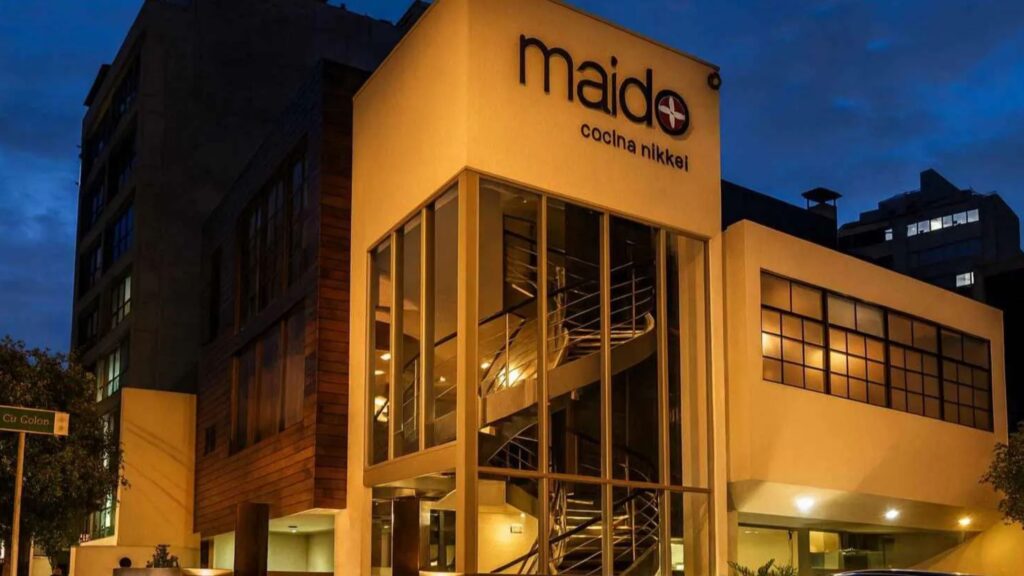
Maido
Calle San Martín 399, Miraflores 15074.
A world reference in Nikkei cuisine, Maido proposes a precise dialogue between Japanese technique and Peruvian ingredients.
Must-sees: the Maido experience, Nikkei bites, and pairings.
Central
Av. Pedro de Osma 301, Barranco 15063.
Central proposes a journey through Peruvian territory, from the sea to the Andes and the Amazon.
Must-sees: the tasting menu and the work with ingredients from different altitudes.
Kjolle
Av. Pedro de Osma 301, Barranco 15063.
Pía León’s restaurant explores Peruvian biodiversity through a colorful, free, and contemporary perspective.
Must-sees: the tasting menu and Andean and Amazonian products.
La Mar Cebichería
Av. Mariscal La Mar 770, Miraflores 15074.
La Mar is a celebration of the Peruvian sea and cevichería culture.
Must-sees: ceviches, tiraditos, seafood causas, and fried dishes.
Astrid & Gastón
Av. Paz Soldán 290, San Isidro 15073.
Located in Casa Hacienda Moreyra, Astrid & Gastón’s proposal travels through Peru via its products, with a creative and elegant perspective.
Imperdibles: el menú degustación, la casona histórica y los postres de Astrid.
Isolina Taberna Peruana
Av. San Martín 101, Barranco 15063.
Isolina pays tribute to old Limean taverns and home-style Creole cuisine.
Must-sees: cau cau, Creole sandwiches, stews, and dishes for sharing.
Mérito
Jirón 28 de Julio 206, Barranco 15063
Mérito offers contemporary cuisine that crosses Peruvian and Venezuelan sensibilities.
Must-sees: the tasting menu, breads, corn-based preparations, and seasonal dishes.
Don Fernando
Av. Gral. Eugenio Garzón 1788, Jesús María 15072.
A Lima classic for fish and seafood, Don Fernando preserves the spirit of the huarique: straightforward cooking, fresh products, and homemade flavor.
Must-sees: the catch of the day, ceviches, sudados, and seafood rice dishes.
Cumpa Taberna Criolla
Jirón Leoncio Prado 498, Surquillo 15047.
Cumpa rescues Creole and northern flavors in the form of a contemporary tavern. Its cuisine evokes family tables, tradition, and stews.
Must-sees: duck rice, northern-style malaya, goat seco, and aged duck.
La Picantería
Sta. Rosa 388, Surquillo 15047.
La Picantería celebrates the product of the day, shared tables, and characterful seafood cuisine.
Must-sees: the fish of the day, ceviches, sudados, stews, and dishes for sharing.
Mayta
Av. Mariscal La Mar 1285, Miraflores 15027.
Mayta develops refined contemporary Peruvian cuisine, with special attention to research into products and territories.
Must-sees: the tasting menu, cocktails, and dishes linked to Amazonian ingredients.
Canta Rana
Genova 101, Barranco 15063.
Canta Rana is a Barranco huarique with a bohemian, maritime, and deeply local spirit.
Must-sees: ceviches, tiraditos, and jaleas.
Osaka
Av. Felipe Pardo y Aliaga 660, San Isidro 15073.
Osaka is one of the leading references for Nikkei cuisine in Lima, with a proposal that combines Peruvian flavors, Japanese technique, and signature cocktails.
Must-sees: nigiris, tiraditos, Nikkei rolls, and the cocktail bar.
Panchita
Calle 2 de Mayo 298, Miraflores 15074
Panchita celebrates Limean Creole cuisine with a generous, family-oriented, and festive proposal.
Must-sees: anticuchos, Creole dishes for sharing, Peruvian grill specialties, and traditional desserts.
Alegría Picantería Piurana
Calle Alcanfores 715, Miraflores 15074
Alegría brings Piuran cuisine to the heart of Miraflores, with a proposal that champions the flavors of northern Peru.
Must-sees: chifles, seco de chabelo, northern-style ceviches, and Piura-inspired dishes.
Barrios y parques en la ciudad
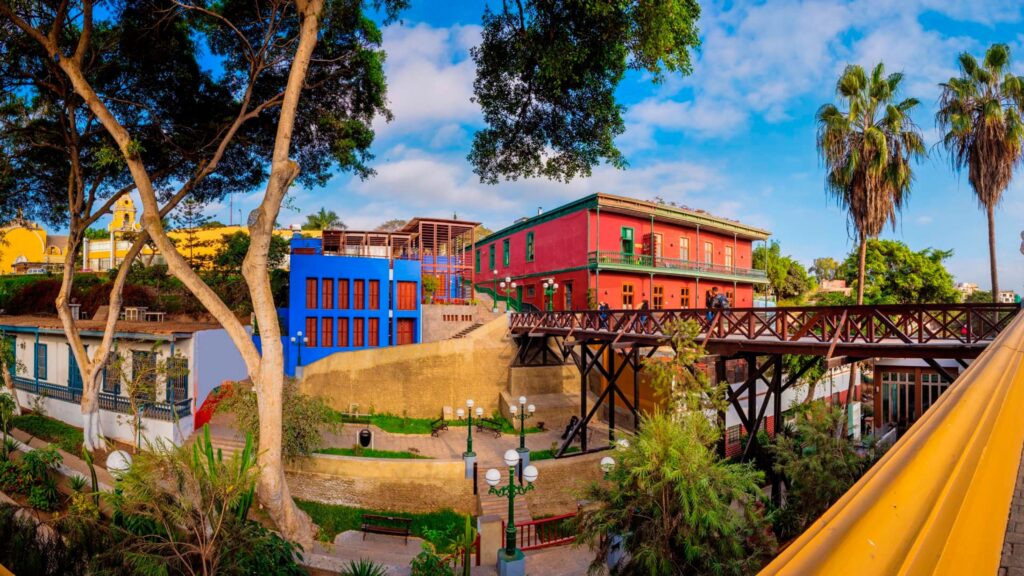
Barranco
Barranco is Lima’s quintessential bohemian neighborhood: old mansions, galleries, cafés, bars, and a strong cultural life blend with ocean views. Its charm lies in wandering through it slowly.
Suggested route: Municipal Park, Bridge of Sighs, Bajada de Baños, the Hermitage, and viewpoints.
Miraflores
Miraflores contains much of Lima’s most walkable side: parks, cafés, bookstores, restaurants, shopping, and privileged views of the Pacific. It is an ideal place to combine urban life, gastronomy, and coastal strolls.
Suggested route: Kennedy Park, Larco Avenue, the Miraflores Boardwalk, Love Park, Larcomar, and the Costa Verde surroundings.
Santuario Patriótico Reducto N.° 2 / Parque Reducto N.° 2
Calle Ramón Ribeyro 490, Miraflores 15047
This memorial park preserves the memory of the Battle of Miraflores, which took place during the War of the Pacific.
Larcomar — Centro Comercial
Mal. De la Reserva 610, Miraflores 15074.
Built on the Miraflores cliffs, Larcomar combines shopping, restaurants, and one of the most recognizable views of the Costa Verde.
Malecón de Miraflores
Mal. de la Reserva 275, Miraflores 15074.
The boardwalk is one of Lima’s most attractive promenades: a succession of parks, gardens, viewpoints, and paths along the cliffside.
Suggested sections: Malecón de la Marina, Malecón Cisneros, and Malecón de la Reserva, Miraflores.
Parque Kennedy
Intersección de Av. Larco y Av. Diagonal, Miraflores.
The urban and social center of Miraflores, Kennedy Park is a meeting point surrounded by cafés, restaurants, shops, and neighborhood life.
Parque Antonio Raimondi
Malecón Cisneros, intersección calle Roma y Jorge Chávez.
A green area facing the sea, ideal for walking, relaxing, and overlooking the Costa Verde from above. It stands out for its spaciousness, connection to the boardwalk circuit, and the presence of the Marina Lighthouse.