
Case Study: Lima Art Museum (MALI) | OLA’s 19th Conference
The Lima Art Museum (MALI) is a private institution whose mission is to preserve the leading collection of Peruvian art, spanning from the pre-Columbian period to contemporary art and including colonial, republican, Indigenous, and modernist collections. Although the building it occupies belongs to the Municipality of Lima, the museum does not receive funding from this institution. Therefore, 100% of its resources come from private sources.
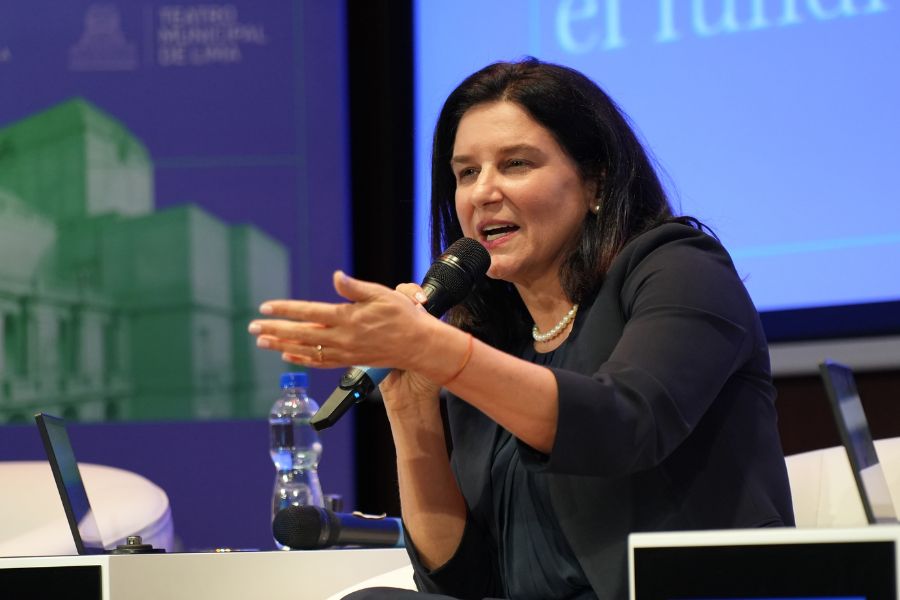
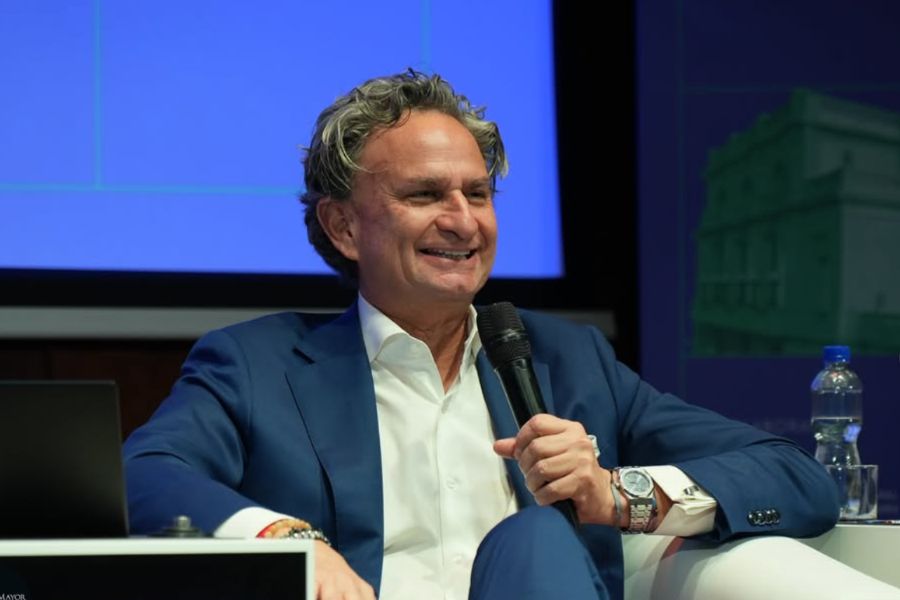
At OLA’s 19th Annual Conference, held at the Municipal Theatres of Lima, Alberto Rebaza, the museum’s president, explained that MALI’s financial sustainability is based on a clear principle: not relying on a single source of income. As he stated during the panel:
“We do not seek to rely on a single funding source to carry out our activities, but rather to have a diversity of income streams that can respond, at different times, to the financial challenges faced by any private institution.”
Currently, the museum combines several resource-generation strategies. Approximately 40% of its income comes from its educational program, which offers courses and workshops in painting, dance, and other disciplines for different audiences.
These efforts are complemented by two art auctions held annually, a community of more than 120 sponsors, a fifteen-member board of directors with a strong philanthropic commitment, an annual fundraising gala, and the rental of its spaces for private events.
Watch the panel featuring Alberto Rebaza at OLA’s 19th Annual Conference