
Five Keys to Advancing Opportunities for Women in Culture | OLA Women’s Forum 2026
From leadership to care responsibilities, the IV OLA Women’s Forum offered recommendations with concrete courses of action to put into practice in theatres, companies and other cultural organizations.
Una convocatoria, un sueldo o el horario de un ensayo pueden ampliar o reducir las brechas de género en la cultura. ¿Por qué en los espacios mixtos sigue habiendo una menor participación de mujeres? ¿Reciben las mujeres y los hombres de una organización los mismos salarios por un trabajo equivalente? En esas decisiones y dinámicas cotidianas también se juega quiénes pueden acceder, crecer y llegar a dirigir una institución.
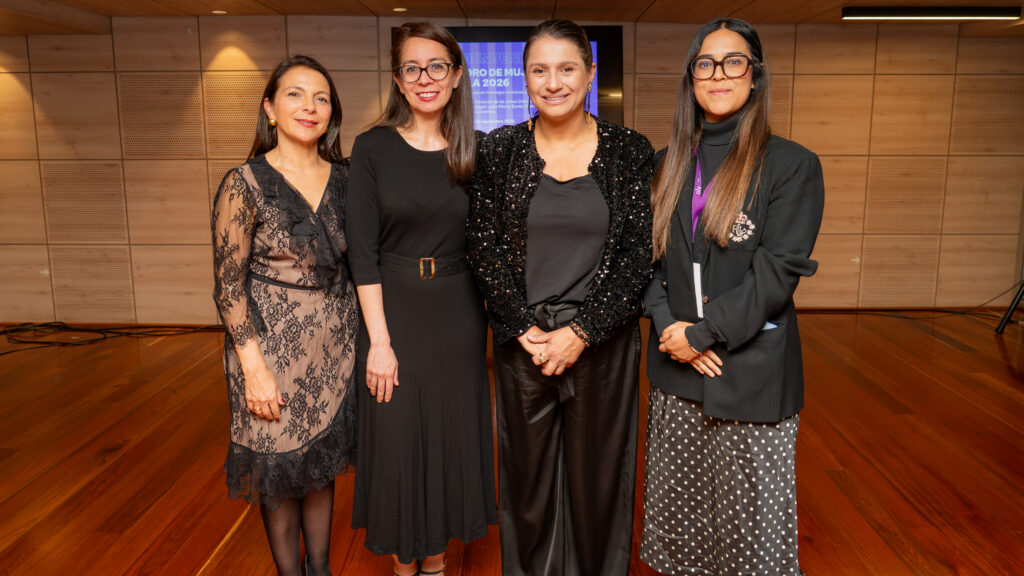
The IV Women’s Forum of Ópera Latinoamérica proposed imagining what organizations would look like if gender equality were already a reality. The exercise took as its starting point a 2025 estimate by the World Economic Forum: at the current rate of progress, achieving gender parity worldwide would still take 123 years.
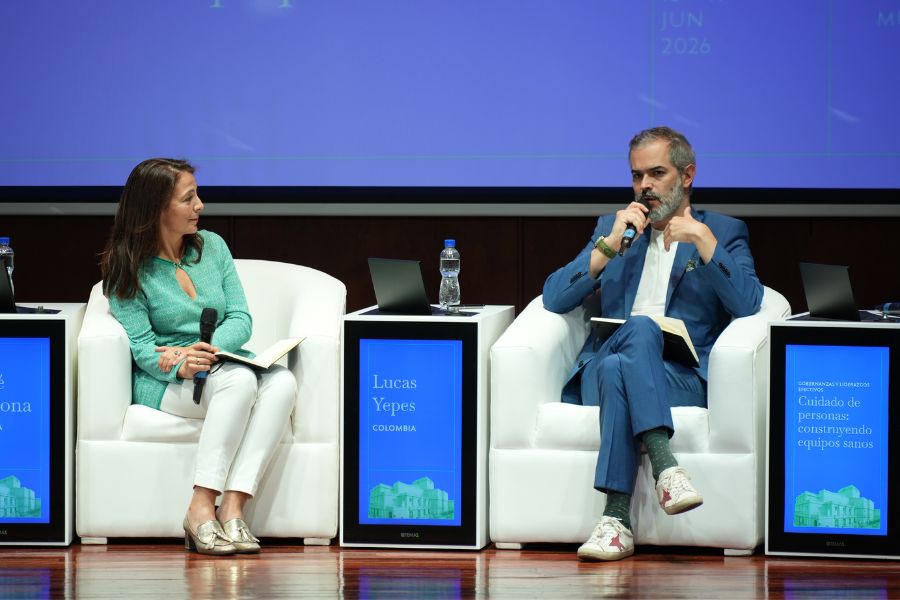
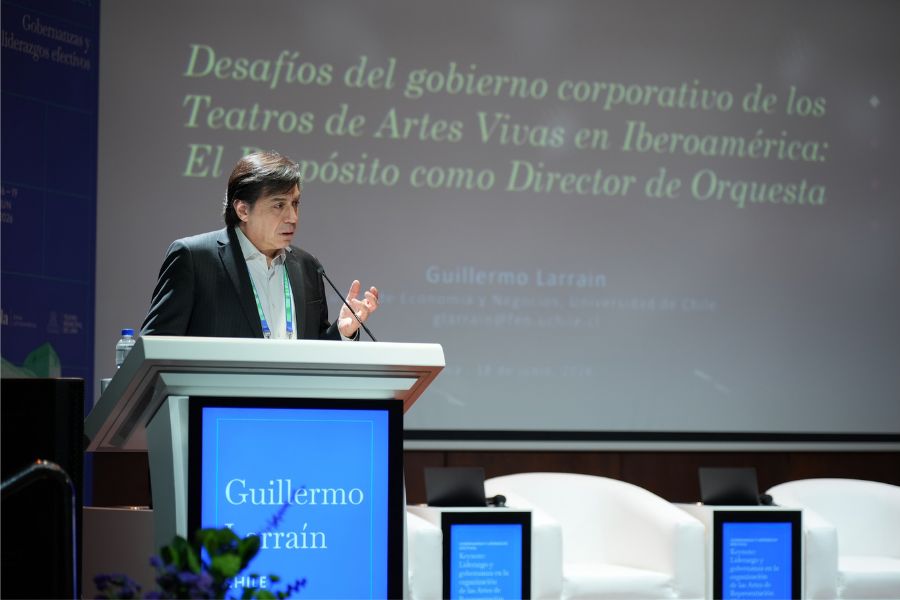
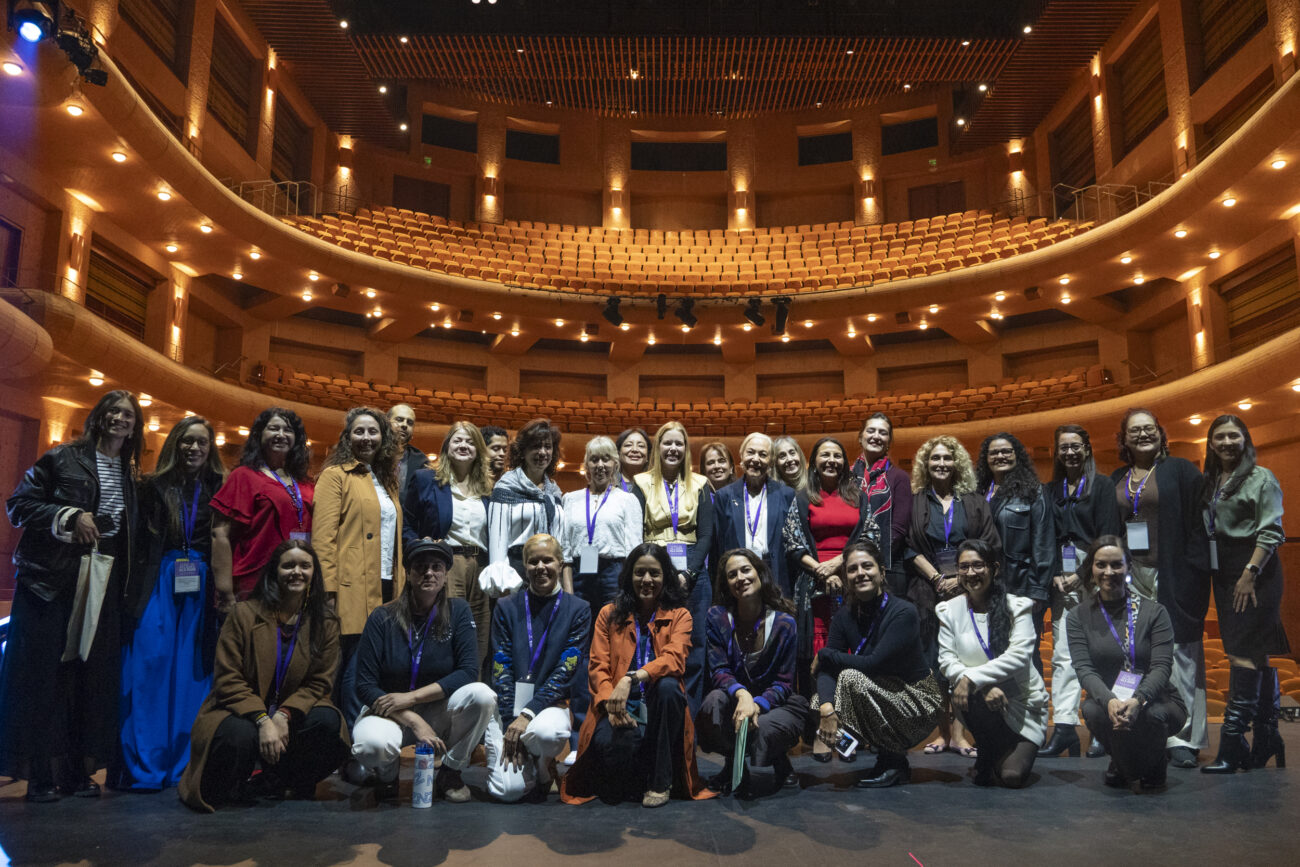
The gathering took place from September 24 to 26, 2026, at the Centro Nacional de las Artes Delia Zapata Olivella and Teatro Mayor Julio Mario Santo Domingo, in Bogotá. It brought together more than 20 people from 13 organizations across 8 countries. Its five panels addressed women’s leadership, the labour market, women’s participation in artistic programming, representation and diversity, and the reconciliation of work, family and care responsibilities.
How can these ideas be put into practice? Below are five reflections from the forum, accompanied by tangible proposals to open up opportunities, recognize talent and build more inclusive teams.
1. Leadership: Supporting Those Who Can Take the Next Step
Making women in leadership visible and strengthening support networks helps create role models and build self-confidence. Progress also requires conditions ideally supported by public policies or gender-sensitive work-life balance policies, opportunities for younger generations, and data that make it possible to identify gaps.
How to put it into practice
- Strengthen networks and role models: Promote mentoring programmes and highlight women in leadership roles, so that women feel these positions are within their reach.
- Measure in order to act: Conduct assessments within organizations to define actions based on concrete data, such as women’s participation at the organizational level, in governance, programming and other areas. Data make it possible to identify gaps and determine where action is needed, as well as to develop public policies that serve as a means of overcoming these differences.
- Open the way for new generations: Take responsibility for continuing to create opportunities for those who come after us.
2. The Labour Market: Establishing Clear Criteria for Pay and Promotion
Pay transparency, shared care responsibilities and the recognition of practical experience foster professional development. If gender quotas are implemented, they must be accompanied by changes that ensure genuine opportunities and excellence in every role.
How to put it into practice
- Salaries: Make salary bands transparent, establish clear pay ranges and determine salaries using comparable benchmarks, taking into account salaries at similar organizations and for similar positions.
- Facilitate shared responsibility and work-life balance: Provide parental leave and leave to care for children for both women and men, as well as flexibility for those who care for other people.
- Recognition and development: Value experience and experiential learning (professionals who do not have academic certifications but have practical work experience), facilitate their official certification and create opportunities for professional growth.
3. Artistic Programming: Including More Women Creators from the Planning Stage
Integrating women creators into the curatorial approach makes it possible to include their works and recover figures who have been overlooked. Another possible action is to examine the canon from other perspectives, that is, to think about Beethoven, Bach and Wagner, for example, through a feminine sensibility or perspective. Review calls for applications and selection processes to identify barriers to women’s participation. For example, the use of phrases that appeal to masculine characteristics, such as “disruptive vision,” “bold” and “rigorous.”
How to put it into practice
- Give women creators a leading role: Programme one major production each year led by a woman or a female artistic team.
- Reduce bias in selection: Consider blind auditions for orchestras and, in other recruitment processes, applications without photographs or gender identification.
- Promote calls for women: Launch specific calls that encourage their participation.
4. Representation and Diversity: Making Room for Different Experiences
Incorporating racial, cultural and identity diversity into creation, programming and teams enriches institutions. Representation requires a collective effort that makes room for different experiences.
How to put it into practice
- Respect identities and their expression: Allow different forms of personal expression within the organization, including clothing and styles.
- Support new career paths: Create spaces where women with established careers can support those who are just starting out.
5. Work and Care: Facilitating Everyday Work-Life Balance
Understanding the circumstances of team members makes it possible to organize work more effectively and facilitate work-life balance. This requires environments where care responsibilities can be expressed and understood without professional penalties.
How to put it into practice
- Understand people’s life circumstances: Adapt to them in order to achieve a balance between professional and personal life.
- More understanding workplace cultures: Create environments where care responsibilities can be openly expressed and understood, without this resulting in professional penalties.
- New ways of organizing work: Review traditional work structures to allow people to fulfil their professional and family responsibilities.