
Leadership Through Trust and Shared Purposes | OLA’s 19th Conference
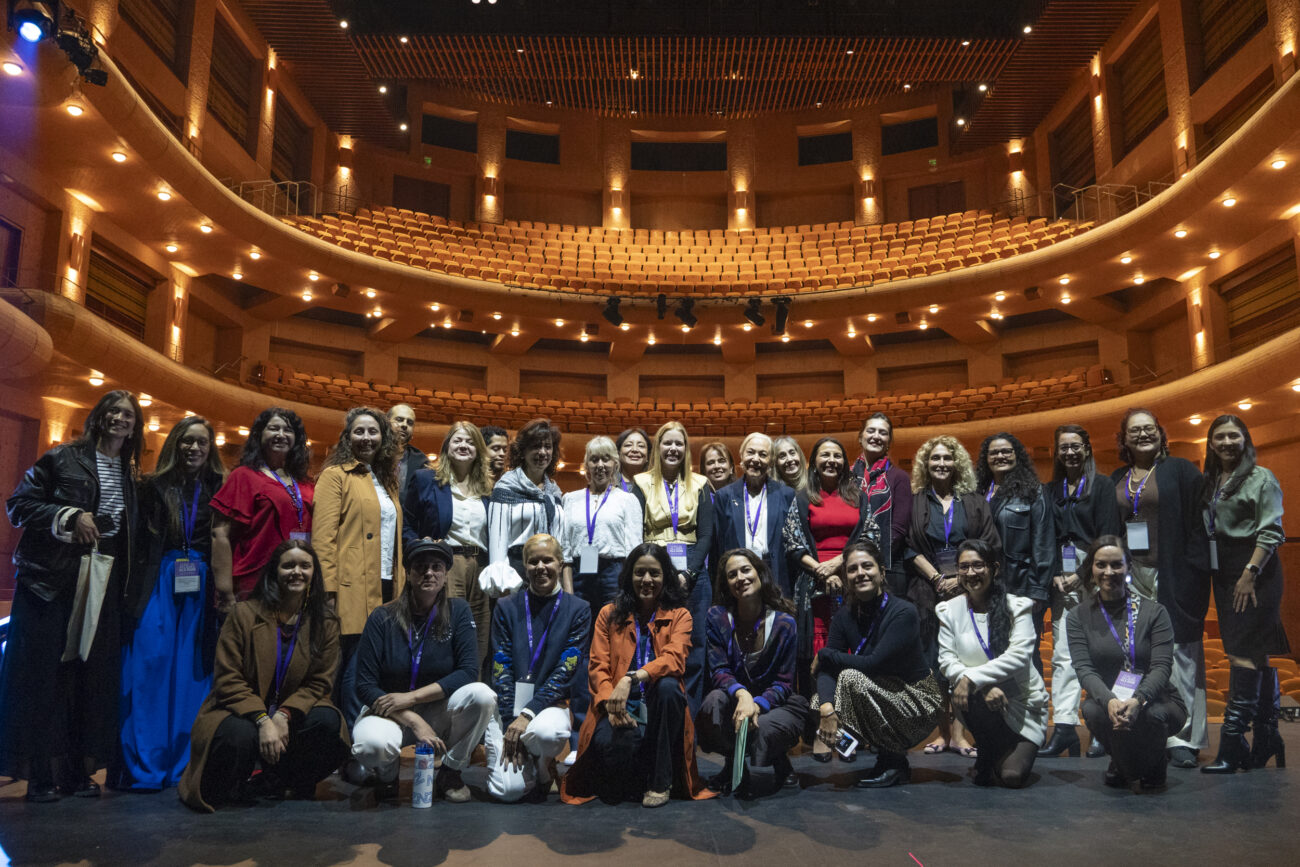
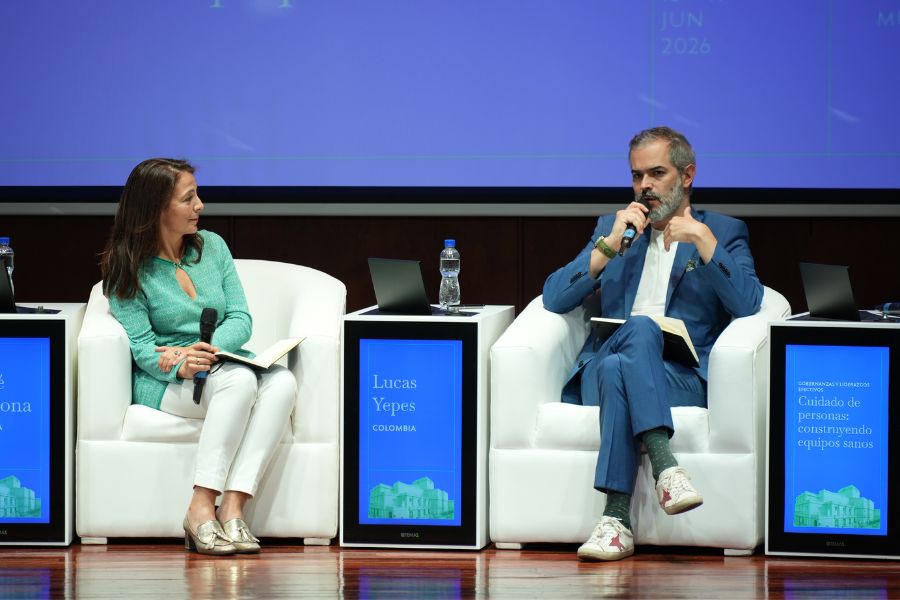
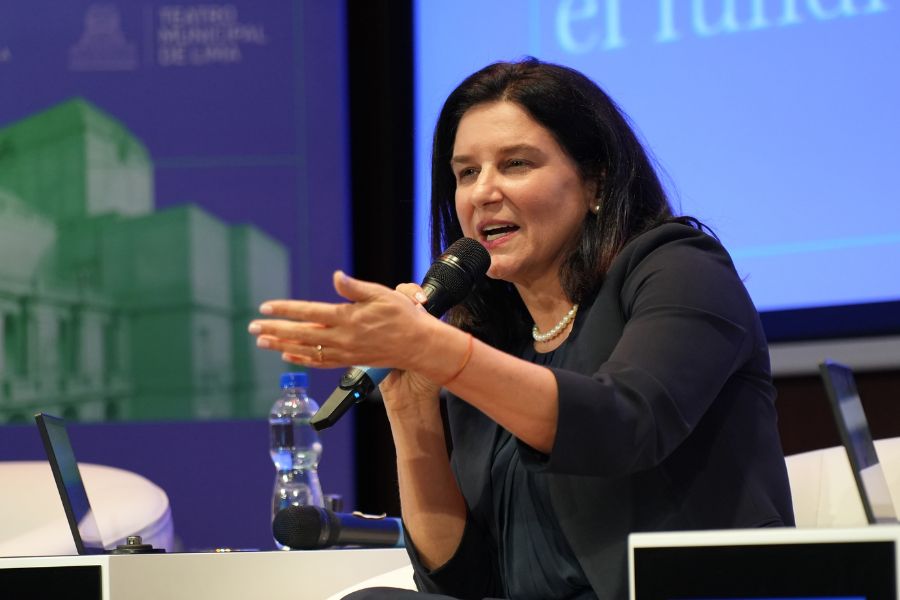
In a context marked by uncertainty, technological change, and the need to diversify funding sources, OLA’s 19th Annual Conference, held in June at the Municipal Theatres of Lima, highlighted that the main challenge of leadership is not to manage better, but to lead with purpose
Throughout the various discussions, a common idea emerged: the organizations that are able to sustain themselves over time are those that base their decisions on a clear, shared purpose. More than an institutional statement, this purpose acts as a compass that guides priorities, strengthens team cohesion, and helps organizations stay on course even in changing circumstances.
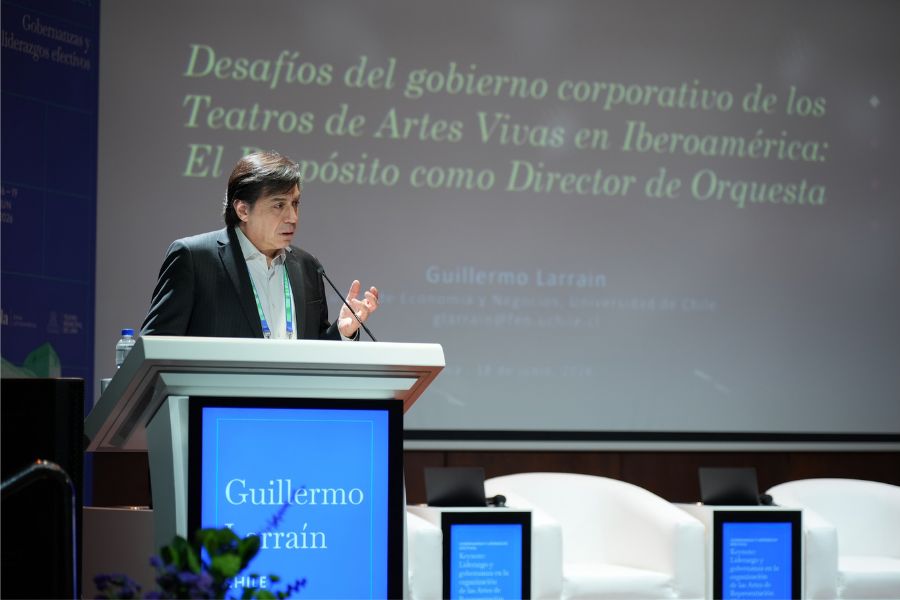
The discussion on leadership began with a question that was as simple as it was decisive: What is the purpose of a cultural organization, and what role does it play in society? In his keynote, Leadership and Governance in Classical Performing Arts Organizations, economist and academic at the University of Chile Guillermo Larraín argued that an institution’s purpose cannot be reduced to a statement of principles; rather, it must be reflected in the organization’s strategic decisions.
Two areas are particularly revealing: the budget and programming. These are where an institution’s actual priorities and the impact it seeks to achieve become visible. In other words, this is where purpose takes on meaning. This reflection opened up a broader discussion about the ability of theatres to remain connected to society.
Rather than preserving a static identity, the challenge lies in continually reviewing whom organizations are reaching, which audiences remain on the margins, and what new voices could enrich institutional life.
As Larraín noted, it is necessary to observe and understand your audience, recognizing that social contexts change and that cultural institutions must evolve alongside them. Larraín also argued that purpose is not a static statement, but an ongoing process of development and reassessment.
Five Elements Proposed by Guillermo Larraín for Evaluating Purpose
- Monitor: Recognize when the current purpose no longer responds to reality.
- Discover: Incorporate new people, knowledge, and technologies that make it possible to redefine it.
- Legitimize: Create the institutional, regulatory, and social conditions that provide support for it.
- Demonstrate: Put that purpose into practice and make it visible.
- Mobilize: Turn it into concrete actions capable of bringing others on board.
Watch Guillermo Larraín’s keynote at OLA’s 19th Annual Conference