
The Circular Economy in Stage Production| Opinion Column in «Ópera Actual» Magazine
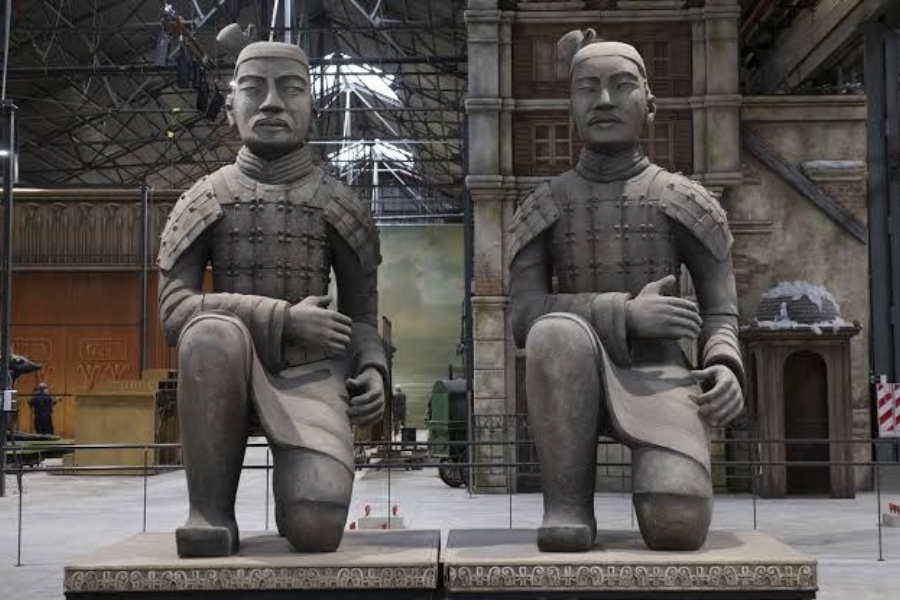
«What happens to the sets, costumes and resources invested once the curtain falls?», reflects Paulina Ricciardi Mondino, Executive Director of OLA. In this column, she analyses the ecological impact of opera production and highlights the sustainable initiatives that are already setting the standard on stages across Latin America.
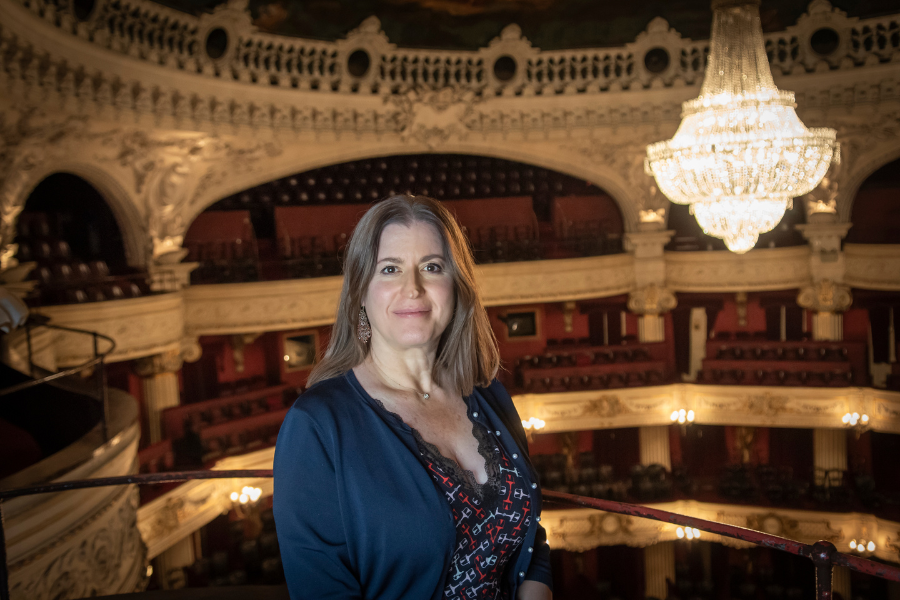
By Paulina Ricciardi Mondino, Executive Director of Ópera Latinoamérica.
Following the first operatic performances in Latin America in the 18th century, the great operatic repertoire arrived with pioneering Italian entrepreneurs: it came in a suitcase, designed to circulate, with productions created to adapt to different stages. Today, with a locally established production model, that history invites us to consider the entire opera cycle: what happens to the sets, costumes and resources invested once the curtain falls?
Since the Industrial Revolution, the production model has been essentially linear: it begins with the extraction of resources and ends with disposal. Opera has been no exception: its complex and costly productions are usually presented for a limited number of performances before being stored or discarded, adding further costs.
In the face of the climate crisis and the finite nature of natural resources, new paradigms have emerged seeking to reconcile production processes with greater environmental and economic sustainability. In this context, the circular economy proposes extending the useful life of products and reducing waste. The Ellen MacArthur Foundation, a pioneer in this field, structures it around three principles: eliminating waste and pollution; circulating products and materials; and regenerating nature.
In the opera industry, there are practices that reflect this approach, even before the concept itself existed. The clearest example is co-productions and their circulation: sharing and maintaining stage productions, presenting them at different theatres, makes it possible to distribute their costs. This model nevertheless poses challenges, such as the carbon footprint associated with transportation. Tools such as XR Stage — introduced in Chile by OLA at the Municipal Theatre of Santiago — and other spaces make it possible to create virtual twins of theatres to design productions using augmented reality, reducing travel and costs while making processes more efficient.
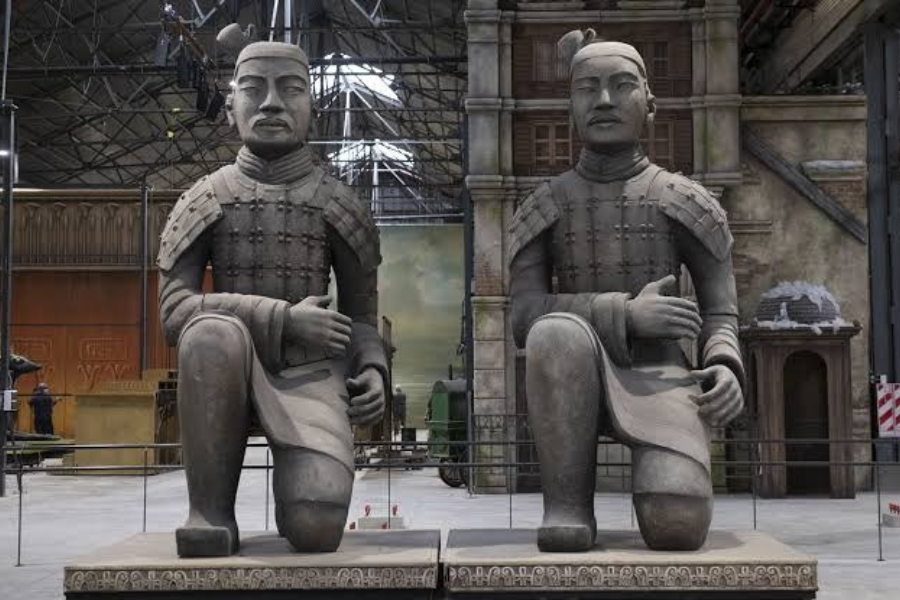
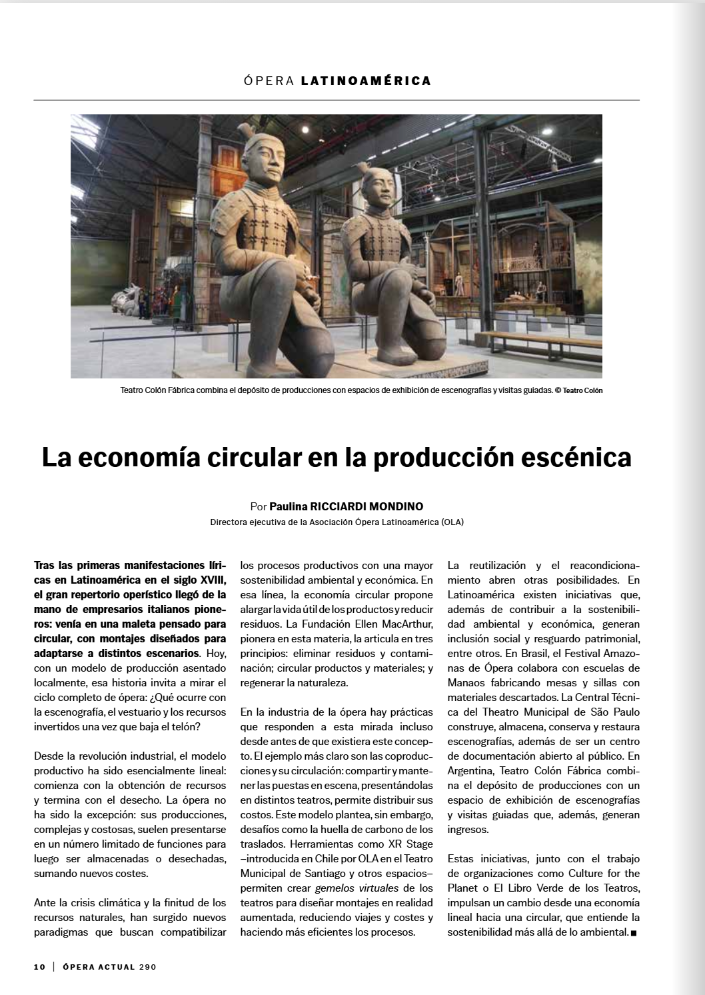
Reuse and refurbishment open up further possibilities. In Latin America, there are initiatives that, in addition to contributing to environmental and economic sustainability, promote social inclusion and heritage preservation, among other benefits. In Brazil, the Amazonas Opera Festival collaborates with schools in Manaus to manufacture tables and chairs using discarded materials. The Technical Department of the Theatro Municipal de São Paulo builds, stores, preserves and restores stage sets, while also operating as a documentation centre open to the public. In Argentina, Teatro Colón Fábrica combines a production storage facility with an exhibition space for stage sets and guided tours that also generate revenue.
These initiatives, together with the work of organisations such as Culture for the Planet and El Libro Verde de los Teatros, are driving a shift from a linear to a circular economy, one that understands sustainability as extending beyond environmental concerns.
Explore the Ópera Actual magazine.