
Sustainability as Cultural Policy | Opinion Column in Ópera Actual
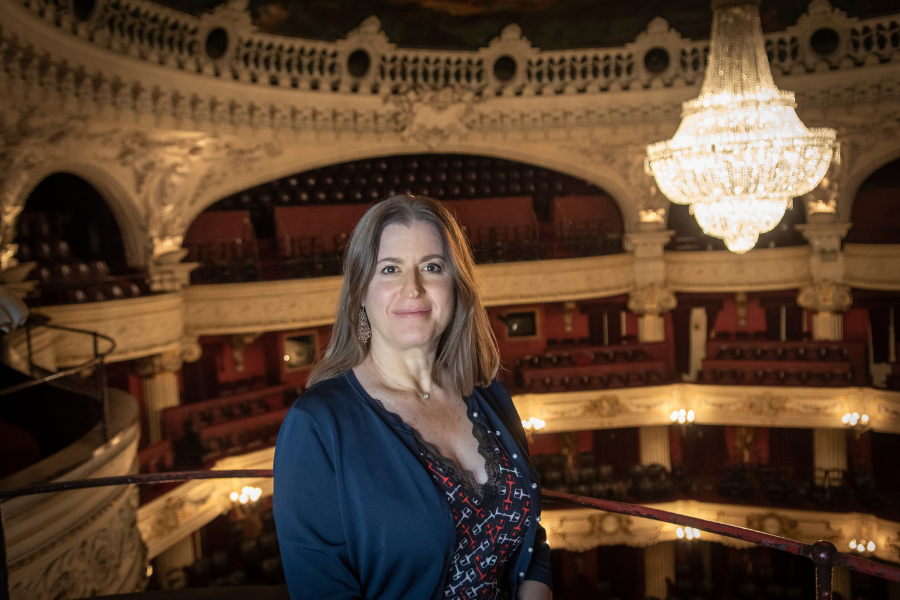
In a new edition of Ópera Actual, our executive director, Paulina Ricciardi, examines the advances and initiatives that various Ibero-American theatres have championed in pursuit of sustainability and more responsible management. “Whilst the 2030 Agenda has made progress, it is proving insufficient. Indeed, 2024 was the warmest year ever recorded. Theatres, by connecting with thousands of people annually, can be agents of cultural change. The role of collaborative networks such as OLA, in this context, is to act as a catalyst for innovation — making the efforts of theatres visible, amplifying them, and embedding them — thereby contributing to the collective task of building a sustainable future,” Paulina writes in her column.
By Paulina Ricciardi Mondino, Executive Director of Ópera Latinoamérica (OLA)
The recent recognition of the Teatro Real with the 2025 Opera Awards Sustainability Prize not only celebrates the achievements of a leading institution, but demonstrates that no industry is exempt from the current climate emergency. With four years remaining before the UN’s deadline for meeting the 2030 Agenda, Ibero-American theatres are showing significant progress — each at its own scale — towards more responsible management models, ranging from specific actions to comprehensive strategies.
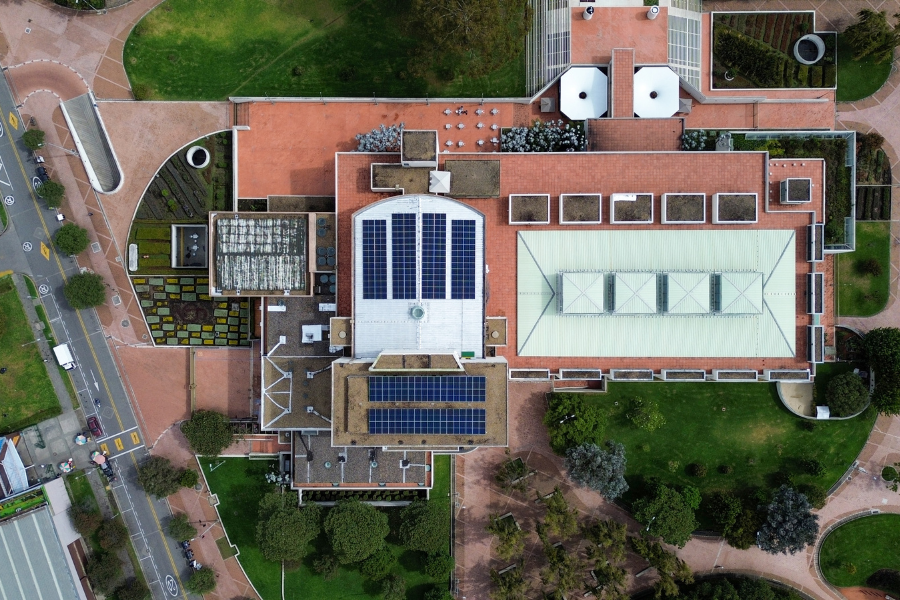
One of the most vigorous examples is the Teatro Mayor Julio Mario Santo Domingo in Colombia, which since 2022 has been pursuing a multidimensional strategy with the support of Grupo Energía de Bogotá. The plan includes a rainwater treatment system that has reduced water consumption by 23.5 per cent, as well as the installation of 180 solar panels and a photovoltaic plant that self-generates 25 per cent of the theatre’s energy needs. The theatre also has an organic garden whose produce is used in meals for artists, and a beekeeping project that contributes to pollination. It has developed a green supplier policy, reduced the use of paper and single-use plastics, and promoted the reuse of materials in its productions. Exemplary.
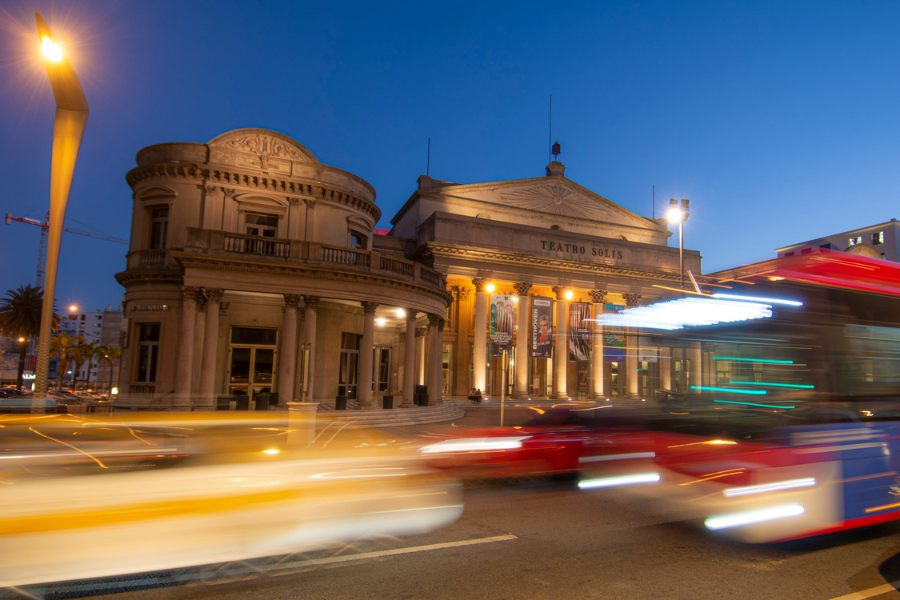
Also in the region, the Teatro Solís de Uruguay has developed a sustainability initiative driven by its own staff. In 2020, the Eco Team was established — a group of employees who design, implement, and evaluate the Solís Sustentable policies. Its areas of action encompass energy efficiency, composting campaigns, and a workwear recycling programme, amongst others.
In Europe, the Gran Teatre del Liceu in Barcelona is also noteworthy; since 2004, it has accumulated certifications that attest to its environmental commitment. In England, the Theatre Green Book has become an essential guide for those seeking to embark on this path, with a system structured around three dimensions — productions, operations, and buildings — whose practicality facilitates the first steps, which are often the most difficult for an institution.
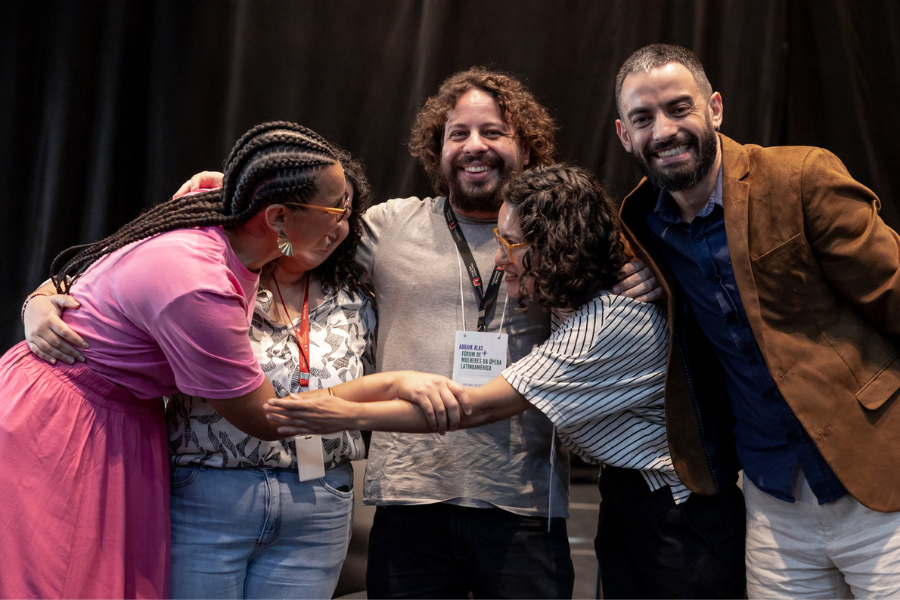
At OLA, we have promoted the Sustainability Forum to foster exchange, learning, and the collective search for solutions. These spaces not only make the process less solitary, but also accelerate transformation across the sector by enabling organisations to advance in a coordinated manner on the basis of shared good practices and common resources.
Whilst the 2030 Agenda has made progress, it is proving insufficient. Indeed, 2024 was the warmest year ever recorded. Theatres, by connecting with thousands of people annually, can be agents of cultural change. The role of collaborative networks such as OLA, in this context, is to act as a catalyst for innovation — making the efforts of theatres visible, amplifying them, and embedding them — thereby contributing to the collective task of building a sustainable future.